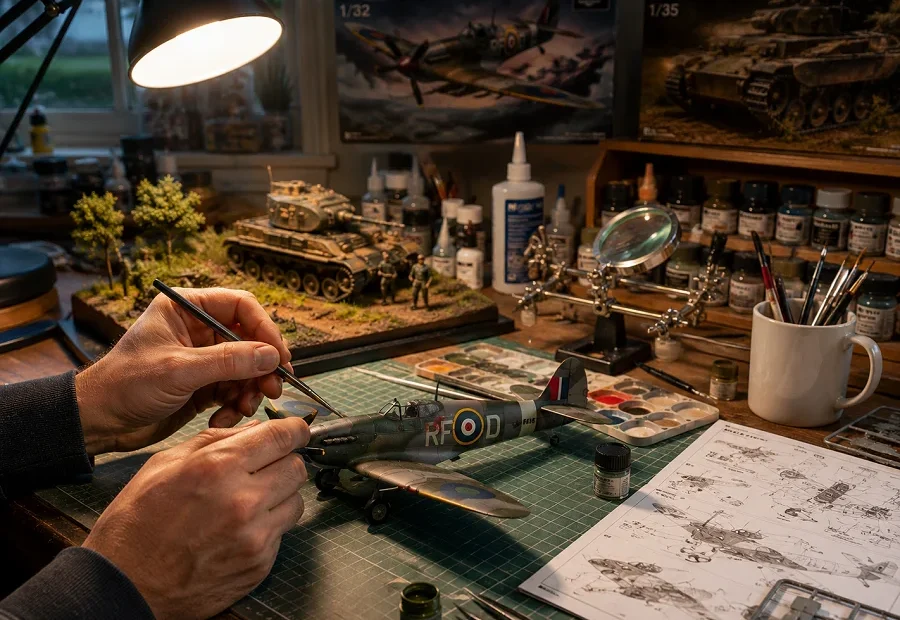
Every model maker remembers the moment they realised their hobby was going to cost considerably more than the price tag on the box suggested. A remote-controlled car kit arrives, and only then does the real total become clear: motor, battery, charger, radio system, spare tyres, paint. What looked like a two-hundred-euro hobby quietly becomes a six-hundred-euro one before the model has even taken its first lap. This experience is nearly universal among serious hobbyists, and the way experienced collectors learn to manage it offers genuinely useful lessons for budgeting any entertainment spending, whether that is a growing model collection or an evening of online gaming.
The hidden cost of getting started
The single biggest budgeting mistake new hobbyists make is treating the sticker price of a kit as the actual cost of entry. A typical hobby-grade RC buggy kit might be listed at around four hundred euro, but the brushless motor and speed controller, steering servo, radio system, batteries, tyres and basic tools together can easily add another five to six hundred euro on top before the model ever leaves the workbench. Experienced hobbyists describe this as the difference between the “box price” and the real “total cost of entry”, and learning to calculate the second figure before buying anything is the first genuine budgeting skill this hobby teaches.
This principle extends well beyond model making. Any hobby or entertainment activity that looks affordable at first glance often carries hidden secondary costs, accessories, subscriptions, top-ups, that only become clear once you are already committed. Building the habit of asking what the true total cost will be, not just the advertised headline price, protects against exactly the kind of budget creep that catches new hobbyists off guard.
Starting modest and scaling deliberately
Seasoned hobbyists consistently recommend that beginners start with a modest, durable model rather than chasing top-tier performance immediately. A basic, toy-grade RC car might cost under fifty euro, while a genuinely high-performance hobby-grade model can run past a thousand, and the real cost ultimately depends on how serious you become, how often you use it, and how much you upgrade over time. Starting with something affordable and durable lets a new hobbyist genuinely discover whether they enjoy the activity before committing serious money to it, a far more sensible approach than buying the most expensive option available on the assumption that more spending guarantees more enjoyment.
This same logic applies directly to trying any new form of entertainment, including online casino gaming. Starting with a small, deliberately modest budget lets you discover genuinely whether an activity suits you before scaling up spending, rather than assuming that a bigger initial commitment produces a proportionally better experience.
Building a collection without breaking the bank
For hobbyists who move beyond a single model into genuine collecting, budget discipline becomes even more important. Experienced collectors describe accumulating impressive collections for relatively modest total spending by being resourceful: buying broken or worn models cheaply and repairing them, selling off older pieces to fund new ones, and prioritising genuine enjoyment over pursuing the absolute newest or most expensive release. One long-time collector described repairing a formerly broken electronic speed controller for just a couple of euro in replacement parts, restoring a component that would have cost fifty euro new, a small example of the resourcefulness that keeps an expensive hobby genuinely sustainable over years rather than months.
Setting a realistic ongoing budget, not just a starting one
The hobbyists who stay in this pastime long-term, rather than burning out and quitting within a year, tend to be the ones who set an ongoing, sustainable budget rather than treating each purchase as a one-off decision made in isolation. This means deciding in advance roughly how much you are comfortable spending on the hobby per month or per quarter, and treating that figure as a genuine limit rather than a loose guideline that gets stretched every time a tempting new release appears. Resources covering broader hobby planning, including guidance available through hobby maker, consistently emphasise that sustainable enjoyment comes from planned, deliberate spending rather than impulsive purchases made in the excitement of a new release.
The community and secondhand market as a budgeting tool
One consistent piece of advice across hobbyist communities is the genuine value of connecting with other enthusiasts, whether through a local club or an online community. Experienced hobbyists frequently sell older models at reduced prices once they upgrade, and buying secondhand from someone who has properly maintained their equipment can meaningfully reduce the total cost of entry for a beginner. This same community-driven, secondhand-first mindset is worth applying to any hobby or entertainment spending: asking whether a genuinely lower-cost or free version of an experience exists before committing to the most expensive option available.
Applying the same discipline to online entertainment
The budgeting lessons that keep a model making hobby sustainable translate directly to managing spending on any entertainment activity, including online casino gaming. Just as a hobbyist calculates the true total cost of a build before purchasing, a sensible approach to online gaming means deciding on a genuine total budget before a session begins, factoring in exactly what you are comfortable spending rather than letting the figure grow once you are already engaged. A session at an online casino such as gambiva is best approached the same way a hobbyist approaches a new model purchase: with a clear, predetermined limit decided calmly in advance, rather than a figure that expands in the moment.
Repair and maintenance as a budgeting virtue
Hobbyists who stay financially sustainable over years of collecting consistently emphasise repair over replacement wherever genuinely possible. Learning basic maintenance skills, understanding which components are worth repairing versus replacing, extends the value of every euro spent considerably further than simply buying new each time something breaks or wears out. This preventative, maintenance-first mindset is a genuinely transferable skill: treating any hobby or entertainment purchase as something to look after and get full value from, rather than something disposable to be replaced at the first sign of wear.
Recognising when a hobby has become unsustainable
Experienced hobbyists are also candid about the point at which a passion tips into something less healthy: when the pursuit of the newest model or the next upgrade starts overriding genuine enjoyment, or when spending consistently exceeds what was originally planned without any conscious decision to revise the budget. Recognising this shift, from enjoying a hobby within sensible limits to chasing the next purchase compulsively, is a genuinely important skill that applies just as much to gaming and other entertainment spending as it does to model collecting.
Responsible spending across every hobby
Whatever hobby or entertainment activity you pursue, the same core principles keep it sustainable and genuinely enjoyable: calculate the true total cost before committing, start modestly and scale deliberately, set an ongoing budget rather than deciding purchase by purchase, and pay attention to when spending starts outpacing the plan you originally set. If online gaming forms part of your entertainment mix, treat your budget with the same discipline a careful model collector applies to their workshop shelf.
If gaming ever starts to feel harder to control than intended, free and confidential support is available. Gamblers Anonymous Ireland holds regular meetings across the country and welcomes anyone with questions about their own play.
Conclusion
Model making and RC collecting teach a genuinely valuable lesson that extends well beyond the workshop: sustainable enjoyment of any hobby depends on calculating the real cost upfront, starting modestly, building community connections that reduce costs, and setting a genuine ongoing budget rather than letting spending drift purchase by purchase. These same principles, applied thoughtfully, keep any form of entertainment spending, model collections and online gaming alike, a genuine source of enjoyment rather than a source of financial stress.